Spanish (page 4)
Beginners’ Spanish I (SPAN 201): Watching a Video
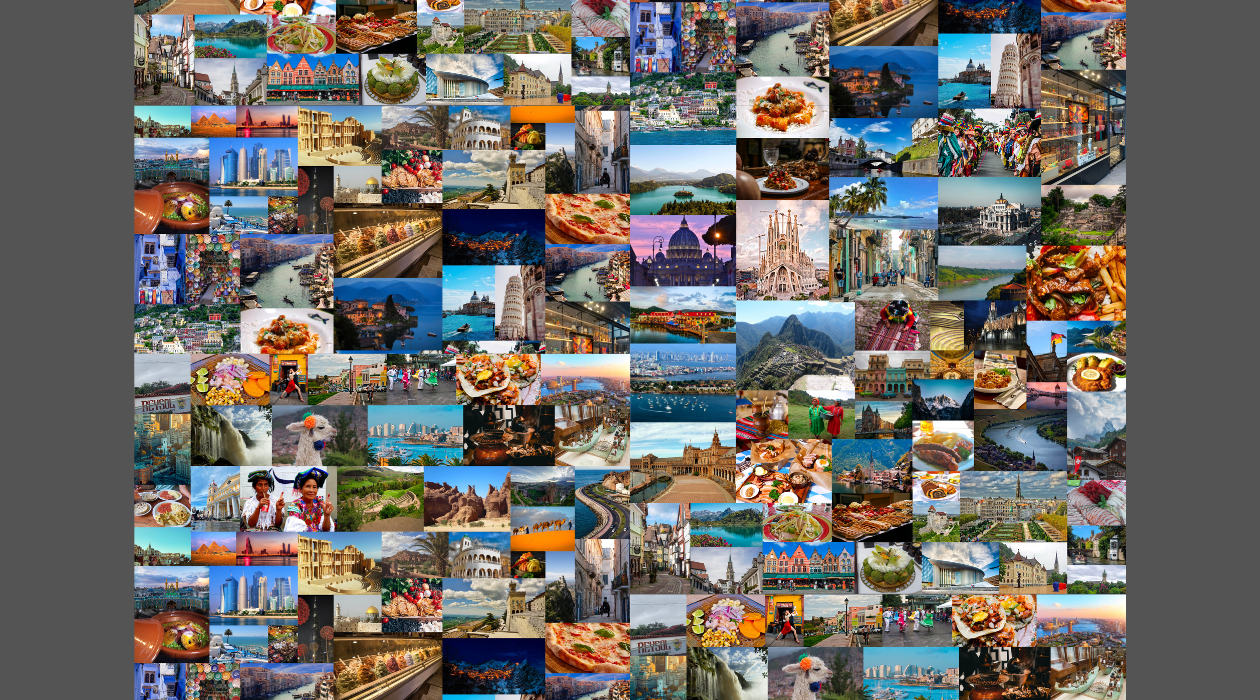
I watched a video from the Dreaming Spanish vlog titled “Top 5 Spanish-Speaking Countries to Visit.” In this video, the speaker introduced the top five countries where we can practice Spanish while exploring their cultures. She provided insights into each country’s offerings, including popular activities and unique cultural experiences. It was an informative guide for anyone looking to immerse themselves in both the Spanish language and the diverse cultural landscapes of these destinations. After watching this video, I reflected on how different countries are known for various attractions, making them excellent Spanish practice options. For instance, Costa Rica would be an ideal destination if I were interested in nature and adventure. Peru would be a great choice if I wanted to learn about indigenous cultures, like the Inca people and their heritage. Cuba, known for its “arena blanca y agua turquesa” (white sand and turquoise water), also caught my attention as a beach lover. The video also discussed Spain, particularly Madrid, highlighting its beautiful buildings and delicious food that reflect Spanish culture. Lastly, she mentioned Argentina, which is famous for its biodiversity, including Iguazú Falls in the north, as well as its deserts, mountains, and renowned vineyards. The Spanish I’ve been exposed to and learned so far is at a beginner level, which has introduced me to many new words and helped me better understand grammar. For example, I initially had difficulty knowing when to use “es,” “en,” and “y” in sentences, but watching instructional videos gave me valuable practice in Spanish. I’ve also focused on improving my pronunciation, such as with the word “verde,” where the “d” isn’t pronounced like in English but instead resembles the sound of the Arabic letter “ض.” Drawing from my knowledge of both Arabic and English, I’ve used different techniques to enhance my pronunciation of Spanish words. I also found that hand gestures helped understand the meaning of words. For instance, when the speaker said “verlos” (meaning “seeing them”), she pointed to her eyes, which I thought was an interactive and effective teaching method. Overall, it was a great learning experience for beginners like me. The speaker had a clear voice and introduced new words gradually, often accompanied by pictures for illustration, such as when she showed images of “volcanos” (volcanoes). Although the spelling was similar, the pronunciation was different. I also noticed that some Spanish words resemble English ones, like “océano” for “ocean” and “naturaleza” for “nature” when discussing Costa Rica. Additionally, I realized that the word “historia” is nearly identical to “history” in English. The Spanish subtitles provided extra support, allowing me to connect the spoken word with its written form. The most challenging part was understanding the video without relying on the subtitles. Nevertheless, this video was great practice for the grammar and vocabulary I’ve learned in SPAN201. The speaker’s discussion of places, nationalities, and nature helped me construct sentences using the new words I had acquired.
Bibliography
Dreaming Spanish. (2024, June 30). Top 5 Spanish-Speaking countries to Visit (That are not Mexico) – Beginner Spanish [Video]. YouTube.